Introduction
A brand is more than its logo, tagline, or color palette. It is the impression people carry after interacting with your business. Whether someone discovers you through Instagram, visits your website or sees an advertisement, they should recognise the same brand personality.
Maintaining this consistency becomes challenging as businesses grow. Different departments, freelancers, and marketing platforms can create communication gaps, gradually weakening brand identity.
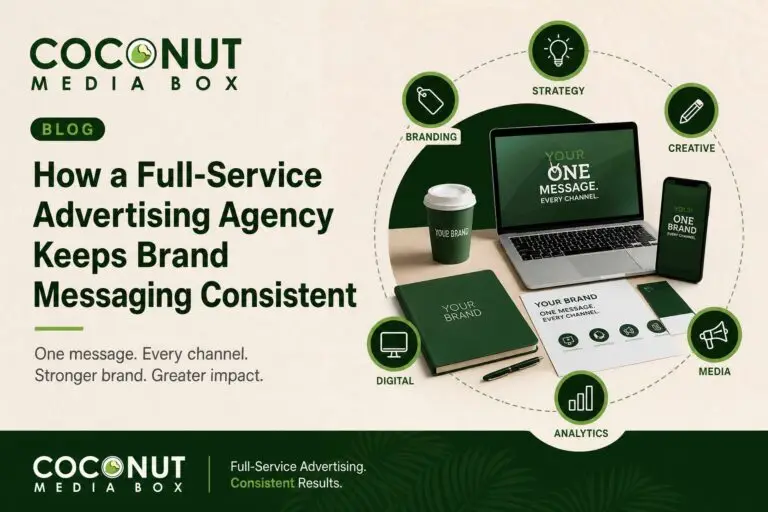
This is where a full-service advertising agency makes a difference. By bringing creative, digital, strategic, and communication efforts together, an agency helps businesses establish a unified identity across every touchpoint. The objective is not simply matching visuals or similar captions. It is creating a brand that communicates with clarity, purpose and familiarity.
Why Brand Messaging Consistency Matters
Consistency helps audiences connect different brand interactions and builds familiarity over time.
Builds Trust and Recognition
Repeated exposure to consistent messaging helps consumers recognise and remember a brand. Familiar communication styles, visuals and values create a stronger connection with audiences.
Strengthens Brand Positioning
Inconsistent communication can confuse buyers and weaken positioning. For example, a premium brand using sophisticated language on its website but generic discount-driven messaging on social media may struggle to maintain its intended identity.
Supports Business Growth
A 2016 Lucid press and Demand Metric study reported that organisations experiencing brand consistency challenges estimated a potential revenue increase of 23% from consistent branding. This was a survey-based estimate, not a measured revenue outcome.
Reduces Marketing Inefficiencies
Fragmented communication often leads to repeated revisions, duplicated work, and conflicting messages. A unified approach helps teams save time and work more efficiently.
The Problem: Why Most Brands Struggle with Consistency
As businesses expand, their communication often becomes distributed across multiple teams and platforms.
Common challenges include:
- Freelancers and departments working in silos: Different teams create content independently, resulting in disconnected messaging.
- Missing brand guidelines: Without a central reference, designers and copywriters interpret the brand differently.
- Different platform personalities: LinkedIn, Instagram, and websites may communicate conflicting brand identities.
- Rapid expansion: New products, markets, and campaigns increase communication complexity without a unified strategy.
The difference between fragmented and unified branding is straightforward. Fragmented branding creates inconsistent tones, visuals and messages. Unified branding maintains a recognisable identity while adapting communication to different platforms.
How a Full-Service Advertising Agency Fixes This
A full-service advertising company connects different marketing activities through one coordinated strategy.
-
Establishes a Single Source of Truth
A central brand framework ensures that teams work with the same positioning, messaging, audience insights and communication priorities.
Instead of relying on scattered briefs and outdated files, everyone follows a shared direction.
-
Develops Brand Guidelines
A comprehensive brand book defines the business’s personality and communication standards.
It typically includes brand values, voice and tone, messaging pillars, typography, colour palette, logo usage and copywriting guidelines.
These guidelines help creative teams make consistent decisions while retaining flexibility.
-
Creates a Unified Content Calendar
A coordinated calendar connects social media, email marketing, digital advertising and website content.
For example, a product launch can follow one central campaign idea across different channels, ensuring that every communication supports the same objective.
-
Implements Cross-Channel Quality Control
Before publishing, content is reviewed against established brand standards.
This includes checking messaging, tone, visuals, positioning and campaign alignment.
-
Assigns a Dedicated Brand Strategist
A brand strategist ensures that creative decisions remain aligned with business objectives. Having a consistent point of contact also helps resolve conflicting communication priorities.
Key Strategies Agencies Use to Maintain Consistency
Maintaining consistency requires ongoing systems rather than a one-time strategy.
Brand Voice Frameworks
Agencies define personality traits and communication guidelines, such as being confident but approachable or knowledgeable without sounding complicated.
Sample headlines, captions, and advertisements help copywriters understand the intended voice.
Reusable Templates
Templates for social media, digital advertisements, presentations and email campaigns help maintain visual and structural consistency while allowing creative flexibility.
Regular Brand Audits
Quarterly reviews can identify outdated messaging, inconsistent terminology, visual differences, and communication that no longer reflects current positioning.
Centralised Asset Management
A shared library containing approved logos, fonts, colors, photographs, campaign creatives, and brand guidelines prevents teams from using outdated assets.
Performance Feedback Loops
Agencies analyse engagement, audience response and conversion data to improve communication.
The goal is to refine messaging based on performance without losing the brand’s core identity.
What Consistency Looks Like in Action
Consider a growing consumer brand working with multiple freelancers. Its social media communication is playful, advertisements focus heavily on discounts, and its website presents a premium identity.
Although each channel functions independently, the overall brand experience feels disconnected.
After partnering with a full-service advertising agency, the business develops unified brand guidelines, messaging pillars and a coordinated content calendar.
Creative teams begin working with shared briefs and approved assets.
The result is clearer communication, stronger brand recognition and more efficient campaign coordination.
While actual outcomes depend on business objectives and audience response, a unified strategy can reduce creative revisions, improve campaign alignment and strengthen brand positioning.
This is the kind of transformation Coconut Media Box delivers through integrated creative, digital and advertising services.
FAQs
What does a full-service advertising agency actually do?
A full-service advertising agency manages multiple aspects of brand communication, including advertising, creative development, digital marketing, campaign planning and brand strategy.
How long does it take to fix inconsistent brand messaging?
A preliminary brand audit may take a few weeks. Implementing new guidelines across teams and platforms can take several months, depending on complexity.
Can an agency match our existing brand voice?
Yes. An agency studies the existing identity, audience and communication style before documenting and applying the brand voice consistently.
Is a full-service agency worth it for small businesses?
It can help small businesses coordinate marketing activities, reduce vendor management and establish a stronger brand identity. The right partnership depends on budget and business objectives.
Conclusion
Brand messaging consistency is about creating a recognisable identity that audiences understand, remember and trust.
As businesses expand, disconnected teams and independent campaign decisions can weaken brand positioning. A full-service advertising agency helps address these challenges through unified strategy, brand guidelines, coordinated campaigns and quality control.
Consistency does not restrict creativity. It gives creativity a clear direction.
Tired of mixed messages across your marketing channels? Coconut Media Box brings your brand voice under one roof.
Get a free brand audit.